Evaluating the Smart Phone Screen and Robotic Head Vector Asset for Modern Design Workflows
In the rapidly evolving landscape of digital design, the intersection of technology and human identity has become a dominant visual theme. The Smart Phone Screen, Robotic Head vector artwork represents more than just a decorative element; it serves as a functional asset for creators aiming to communicate concepts related to artificial intelligence, digital connectivity, and modern communication. For professionals ranging from web designers to small business owners, understanding the utility of such specific graphic resources is essential for maintaining a competitive edge in visual storytelling.
This analysis explores the practical applications, technical specifications, and strategic value of this 12x12 inch digital graphic. By examining its composition and versatility, we can determine how it fits into various creative workflows, from branding initiatives to educational materials.
The Visual Language of Technology and Identity
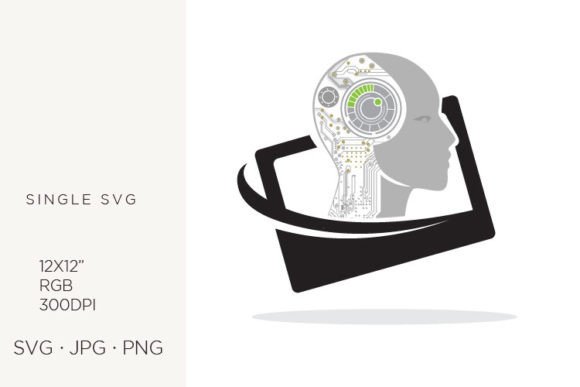
The core concept behind the Smart Phone Screen, Robotic Head illustration is the fusion of hardware and persona. In contemporary marketing and media, the smartphone is no longer just a device; it is an extension of the self. Pairing this with a robotic head creates a powerful metaphor for AI assistants, automated customer service, or the future of human-computer interaction. This duality makes the image particularly relevant for tech startups, cybersecurity firms, and educational platforms discussing digital literacy.
Unlike generic stock photography, which can often feel staged or impersonal, vector artwork offers a clean, stylized approach. This allows the viewer to focus on the concept rather than distracting details. The single vector nature of this asset ensures that the lines remain crisp and the shapes distinct, regardless of the scale at which it is used. This clarity is crucial when communicating complex ideas quickly, such as in social media graphics or presentation slides where attention spans are short.
Technical Specifications and File Versatility
A significant factor in the long-term value of any digital asset is its technical foundation. This particular artwork is provided in a comprehensive zip file containing three distinct formats: SVG, JPG, and PNG. Each format serves a specific purpose in a professional designer’s toolkit.
- SVG (Scalable Vector Graphics): Created in Adobe Illustrator and saved as version 10, the SVG file is the most versatile component. It allows for infinite scalability without loss of quality. For web designers, this means faster load times and sharp rendering on high-resolution retina displays. For print designers, it enables resizing from a small business card icon to a large trade show banner without pixelation.
- PNG (300 DPI with Transparent Background): The inclusion of a high-resolution PNG with a transparent background is critical for layering. It allows users to place the robotic head and phone screen over colored backgrounds, photographs, or textured paper without unsightly white boxes around the edges. This is particularly useful for creating invitations, announcements, and composite images.
- JPG (300 DPI): While less flexible than the other two, the JPG file provides a universally compatible option for quick previews or platforms that do not support transparency or vector formats. At 300 DPI, it remains suitable for standard printing needs.
The artboard size of 12x12 inches at 300 DPI in the RGB color palette ensures that the initial resolution is high enough for most print-on-demand services and digital displays. However, the true power lies in the vector source, which decouples the design from fixed dimensions.
Practical Applications Across Industries
The flexibility of the Smart Phone Screen, Robotic Head design allows it to transcend niche tech markets. Here is how different professionals might leverage this asset:
Branding and Logo Design
For tech consultants, app developers, or IT support services, this graphic can serve as the foundation for a logo. The clean lines and modern aesthetic align well with minimalist branding trends. Entrepreneurs can modify the colors within the SVG file to match their brand identity, ensuring consistency across all touchpoints.
Educational and Corporate Materials
Educators and corporate trainers often need visuals to explain abstract concepts. This image is ideal for presentations on digital safety, AI ethics, or remote work tools. It can be incorporated into slide decks, worksheets, and e-learning modules to make dry technical content more engaging and visually accessible.
Printed Media and Stationery
Crafters and small business owners producing physical goods will find the high-resolution PNG and SVG files invaluable. The design works well on printed paper items such as notebooks, planners, and greeting cards. For events like tech conferences, product launches, or themed parties, this artwork can be adapted for invitations, banners, and decor, providing a cohesive visual theme.
Web and Graphic Design
Web designers can use the SVG to create interactive elements or icons for user interfaces. The robotic head can symbolize chatbots or help sections, while the phone screen can represent mobile responsiveness. Its clear structure ensures it remains legible even at smaller sizes, a key requirement for effective UI design.
Usability and Workflow Integration
One of the primary strengths of this asset is its ease of integration into existing workflows. Because it is created in Adobe Illustrator, a standard industry tool, designers familiar with vector software will find it easy to edit. Even those with limited design experience can utilize the PNG and JPG files directly in common programs like Canva, Microsoft Word, or PowerPoint.
The RGB color palette is optimized for digital screens, which is where the majority of this content will likely be viewed. However, for print projects, users should be aware that converting RGB to CMYK may result in slight color shifts. Professional printers often handle this conversion, but it is a consideration for those managing their own print production. The 300 DPI resolution of the raster files mitigates some quality loss, but the SVG remains the superior choice for any project requiring precise color control or large-format printing.
Limitations and Considerations
While versatile, this asset is not a one-size-fits-all solution. The stylized, vector nature of the Smart Phone Screen, Robotic Head may not suit brands aiming for a hyper-realistic or organic aesthetic. Additionally, because it is a single vector artwork, customization is limited to color changes, scaling, and minor shape adjustments unless the user has advanced illustration skills to deconstruct and rebuild elements.
Furthermore, the popularity of AI and tech-themed imagery means that similar concepts are widespread. To stand out, users should consider combining this graphic with unique typography, custom color palettes, or complementary design elements. Relying solely on the default appearance may result in a generic look that fails to differentiate a brand in a crowded market.
Final Assessment of Value
The Smart Phone Screen, Robotic Head vector package offers substantial value for its target audience. It bridges the gap between conceptual art and practical utility, providing a ready-made solution for visualizing modern technological themes. The inclusion of multiple file formats ensures that it can be deployed across both digital and print media without compromising quality.
For freelancers and agencies, this asset saves time by eliminating the need to create complex illustrations from scratch. For educators and marketers, it provides a clear, recognizable symbol that enhances communication. While it requires thoughtful application to avoid cliché, its technical robustness and thematic relevance make it a worthwhile addition to any creative resource library. When evaluated against the cost of custom illustration or the limitations of low-quality stock images, this vector set stands out as a efficient, professional-grade tool for modern content creation.