Harmonizing Design: The Yin Yang, Balance Symbol, and Human Form in Digital Art
In the vast landscape of digital graphics, few motifs resonate as deeply or universally as the interplay between opposing forces. The Yin Yang, often referred to as the Taijitu, is more than just an ancient philosophical concept; it is a visual shorthand for harmony, duality, and continuous movement. When designers integrate this Balance Symbol with the organic curves of the Human form, they create a powerful narrative tool. This article explores the utility, aesthetic value, and practical applications of high-quality vector assets featuring these elements, specifically focusing on files prepared for professional use across various media.
The Anatomy of Balanced Design
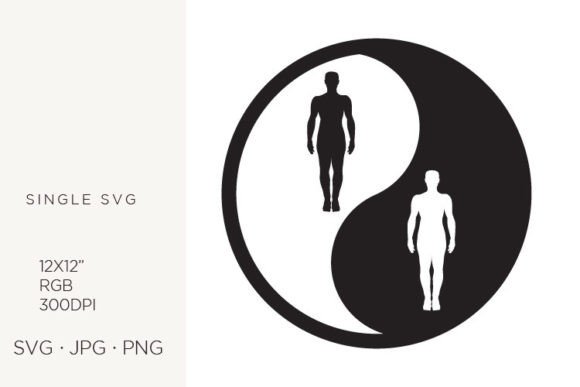
At its core, the Yin Yang represents the idea that opposite forces are actually complementary, interconnected, and interdependent in the natural world. For graphic designers and creators, translating this philosophy into visual art requires precision. A well-crafted vector based illustration allows for infinite scalability without loss of quality, making it superior to raster images for many commercial applications.
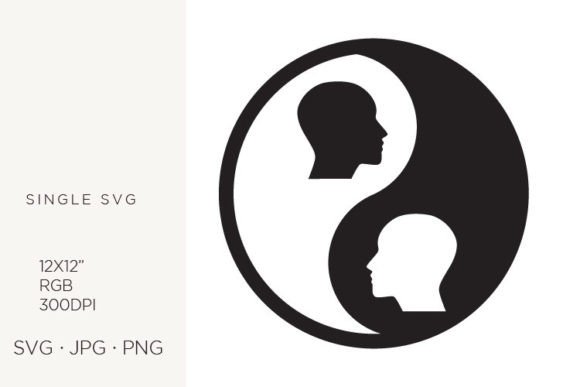
When we introduce the Human element into this equation, the symbolism deepens. It suggests that balance is not just a cosmic principle but a personal journey. Clipart and digital graphics that merge the geometric perfection of the balance symbol with the fluidity of human silhouette offer a unique blend of structure and emotion. These assets are typically created in professional vector programs like Adobe Illustrator, ensuring clean lines, smooth curves, and editable paths.
Technical Specifications for Professional Use
For creators looking to incorporate these themes into their work, understanding the technical foundation of the assets is crucial. High-quality digital graphics elements should meet specific standards to ensure versatility:
- Artboard Size: Standardized dimensions, such as 12 x 12 inches, provide a square canvas that is ideal for social media posts, album covers, and print-on-demand products.
- Resolution: While vectors are resolution-independent, exported raster formats like JPG and PNG should be rendered at 300 dpi to ensure crisp printing quality.
- Color Palette: Using the RGB color palette ensures vibrant display on screens, which is essential for web design and digital marketing. However, CMYK conversion options are often necessary for physical printing.
- File Formats:
- SVG (Scalable Vector Graphics): Ideal for web use, allowing for small file sizes and perfect scaling on any device.
- JPG: Best for photographic contexts or when a smaller file size is needed for email attachments.
- PNG: Perfect for designs requiring transparency, such as logos overlaid on colored backgrounds.
Versatility in Application
The true value of these digital graphics lies in their adaptability. Because they are made in a vector program, they can be manipulated, recolored, and resized to fit a myriad of projects. Here is how different professionals can leverage these elements:
Branding and Identity
Business owners, particularly those in wellness, yoga studios, therapy practices, or holistic health sectors, can use the Yin Yang and Human imagery to communicate their core values instantly. A logo derived from these clipart elements can signify a commitment to balance and human-centric care. The clean lines of vector art ensure that the logo remains legible whether it is printed on a business card or displayed on a large storefront sign.
Printed Paper Items and Stationery
For stationery designers, the aesthetic appeal of the Balance Symbol offers a serene backdrop for invitations, announcements, and handmade cards. The 12 x 12 artboard size is particularly useful for creating square greeting cards or journal covers. By using the PNG format with a transparent background, designers can layer these symbols over textured paper scans or watercolor backgrounds to create a tactile, organic feel in a digital workflow.
Wall Art and Home Decor
Interior designers and homeowners seeking to create calming spaces often turn to art that promotes mindfulness. Vector files allow for the creation of large-format wall art without pixelation. Whether it is a minimalist black-and-white interpretation of the Yin Yang or a colorful abstraction involving the human form, these graphics can be printed on canvas, metal, or acrylic. The high resolution (300 dpi) ensures that even large prints maintain their sharpness and detail.
Handmade Craft Items and Jewelry
Crafters can use these digital elements as templates for laser cutting, vinyl cutting, or sublimation printing. The precise paths in an SVG file make it easy to cut out intricate shapes for jewelry pendants, keychains, or decorative ornaments. The concept of balance resonates strongly in handmade gifts, adding a layer of meaning to items like engraved wooden plaques or custom-printed tote bags.
Evaluating Suitability for Your Project
Not all clipart is created equal. When selecting digital graphics for your next project, consider the following factors to ensure you are getting the best value:
Editable Layers: Check if the vector file has organized layers. This allows you to isolate the Human figure from the Yin Yang background, giving you the freedom to rearrange elements or change colors individually. Files made in Adobe Illustrator typically offer this level of control.
Licensing and Usage Rights: Ensure that the license permits commercial use if you intend to sell products featuring the design. Many creators offer extended licenses for print-on-demand services, which is vital for business owners.
Aesthetic Consistency: Does the style of the clipart match your brand? A hand-drawn, sketchy Yin Yang might suit a boutique craft store, while a sleek, geometric balance symbol might be better for a tech-forward wellness app.
Strengths and Considerations
Using pre-made vector assets offers significant time savings compared to drawing from scratch. It allows non-artists to produce professional-looking designs. However, there are limitations. Because these are stock elements, they may lack uniqueness if used without modification. To overcome this, creators should combine the Balance Symbol with other design elements, typography, or textures to create a composite image that feels original.
Additionally, while RGB is standard for digital use, remember that colors may shift when converted to CMYK for printing. Always request a proof or test print when producing high-volume physical goods like invitations or party decor.
Real-World Scenarios
Imagine a yoga instructor launching an online course. They need a thumbnail for their video series. By using a high-resolution PNG of a human figure in a meditative pose integrated with a subtle Yin Yang background, they create an instantly recognizable and calming image. Later, they use the same SVG file to create a decal for their water bottles, demonstrating the cross-media utility of the asset.
Consider a wedding planner designing invitations for a couple who values equality and partnership. A custom card featuring two abstract human forms forming a complete circle, inspired by the Yin Yang, serves as a beautiful metaphor for their union. The vector source file allows the planner to adjust the colors to match the wedding theme perfectly.
Conclusion
The integration of the Yin Yang, Balance Symbol, and Human form in digital graphics offers a rich tapestry of meaning and utility. Whether you are a graphic designer, a small business owner, or a hobbyist crafter, these vector-based elements provide a flexible foundation for creative expression. By understanding the technical specifications—such as the importance of SVG, JPG, and PNG formats, and the benefits of 300 dpi resolution—you can maximize the potential of these assets. From logo design to wall art, the possibilities are limited only by your imagination. Embrace the balance, and let these digital tools help you create work that resonates with clarity and harmony.