Little Foxes Watercolor Clipart: A Practical Guide for Designers and Crafters
When selecting digital assets for creative projects, the balance between aesthetic appeal and technical utility is paramount. Little Foxes Watercolor Clipart represents a specific niche within the broader market of digital illustrations, catering to those who value hand-painted textures combined with modern versatility. This resource is not merely a collection of images; it is a toolkit designed to bridge the gap between artistic expression and commercial application. Understanding what makes this particular set distinct requires looking beyond the surface-level charm of the subject matter and examining the file structures, resolution quality, and adaptability across various mediums.
Understanding the Technical Foundation
The value of any digital clipart lies in its underlying specifications. For Little Foxes Watercolor Clipart, the foundation is built on high-resolution standards that ensure clarity regardless of the output size. The package includes a single zipped file containing six distinct files, split evenly between two primary formats: PNG and JPEG. This dual-format approach is critical for users who may be working across different software ecosystems or who have varying needs regarding background transparency.
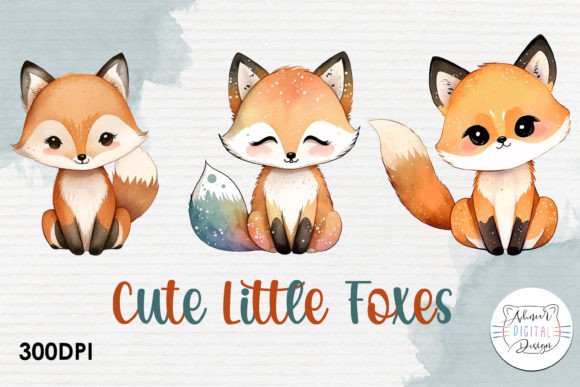
The inclusion of three PNG files with transparent backgrounds is perhaps the most significant feature for graphic designers. Transparency allows these elements to be layered seamlessly over other designs, colors, or photographs without the awkward white box that often plagues lower-quality assets. Conversely, the three JPEG files serve users who need a solid background or who are working in environments where file compatibility with transparency is limited. Both formats are rendered at 300 DPI (dots per inch). This resolution is the industry standard for professional printing, ensuring that whether you are creating a small sticker or a large poster, the watercolor textures remain crisp and detailed rather than pixelated or blurry.
Evaluating Design Quality and Aesthetic Appeal
The term "watercolor" can encompass a wide range of styles, from loose, abstract washes to tight, realistic botanical illustrations. Little Foxes Watercolor Clipart leans towards a unique design philosophy that emphasizes cleanliness and clarity. Unlike some watercolor assets that may appear muddy or overly saturated when printed, these designs maintain a delicate balance of color and whitespace. The "cleanly" executed lines suggest a level of professional refinement that separates them from amateur-generated content.
This uniqueness is vital for branding and personal projects alike. In a market saturated with generic vector art, the organic feel of watercolor adds a touch of warmth and authenticity. However, it is important to recognize that this style may not suit every project. For corporate tech brochures or minimalist modernist layouts, the soft edges and textured appearance of watercolor might clash with the desired aesthetic. Therefore, evaluating this clipart requires an honest assessment of your project’s tone. If the goal is to evoke feelings of nature, childhood, gentleness, or artisanal quality, this asset fits perfectly. If the goal is stark industrialism or high-contrast futurism, alternative graphic styles may be more appropriate.
Comparing Use Cases: Print vs. Digital
One of the strongest arguments for choosing Little Foxes Watercolor Clipart is its versatility across both physical and digital mediums. However, the requirements for each differ significantly, and understanding these differences helps in maximizing the value of the purchase.
Print Applications
For print-based projects, the 300 DPI resolution is non-negotiable. This clipart is suitable for a wide array of physical goods, including:
- Apparel: Printing on shirts, baby clothing, caps, and bags requires high-resolution images to ensure the design does not break up during the screen printing or heat transfer process.
- Home Decor: Items such as pillows, boxes, and scrapbooking pages benefit from the texture of watercolor, which mimics traditional art materials.
- Stationery: Card making, invitations, business cards, and letterheads gain a premium feel from the organic look of hand-painted elements.
When using these files for fabric printing or large-format items like posters, it is advisable to test print a small section first. While 300 DPI is standard, the absorption rate of different fabrics or papers can alter how the watercolor tones appear. The clean design of the Little Foxes set minimizes the risk of ink bleeding issues common in more complex, dense illustrations.
Digital Applications
In the digital realm, the focus shifts from resolution to flexibility and load times. The PNG files with transparent backgrounds are ideal for:
- Web Design: Integrating graphics into blog headers, web graphics, or educational sheets without disrupting the site’s background color or pattern.
- Social Media: Creating engaging visuals for Instagram posts, Pinterest pins, or Facebook covers where visual appeal drives engagement.
- Digital Products: Designing printable planners, digital stickers for tablets, or eBook covers.
While JPEGs are smaller in file size and load faster, they lack transparency. For web use, PNGs are generally preferred despite their larger size because they offer greater design freedom. The Little Foxes Watercolor Clipart provides both, allowing users to choose based on their specific platform constraints.
Decision Factors: When to Choose This Resource
Choosing the right digital asset involves weighing several factors. Here is a practical comparison to help determine if this clipart set aligns with your needs:
- Project Scale: If you are producing a one-off invitation, a free stock image might suffice. However, for commercial products like coffee mugs or t-shirts intended for sale, the unique design and high resolution of this paid resource reduce legal risks and ensure professional quality.
- Technical Skill Level: These files are ready-to-use. Unlike vector files that require manipulation in software like Adobe Illustrator, these PNG and JPEG files can be dropped directly into programs like Canva, Photoshop, or even Microsoft Word. This makes them accessible to beginners while still being useful for professionals who need quick assets.
- Brand Consistency: If your brand relies on soft, natural, or whimsical imagery, this set reinforces that identity. If your brand is bold and geometric, this may not be the right fit.
Limitations and Considerations
While Little Foxes Watercolor Clipart offers significant benefits, it is essential to acknowledge its limitations. The package contains only six files. For users needing a vast library of varied characters or scenes, this set may feel limited. It is best used as a focal point or accent rather than a comprehensive solution for all design needs. Additionally, because the files are raster-based (PNG/JPEG) rather than vector-based, they cannot be scaled infinitely without potential quality loss, although the 300 DPI starting point mitigates this for most standard uses.
Furthermore, the "unique design" aspect means that while the style is distinctive, it may not match every existing brand palette. Users may need to adjust color balances or blend modes in their editing software to integrate the foxes seamlessly into their specific color schemes. This requires a basic understanding of digital editing tools.
Final Thoughts on Value and Utility
In the crowded marketplace of digital clipart, Little Foxes Watercolor Clipart stands out due to its combination of high-resolution technical specs and thoughtful design execution. It is not just about the cute factor of the foxes; it is about the reliability of the 300 DPI resolution, the convenience of transparent backgrounds, and the versatility of having both PNG and JPEG formats.
For crafters, small business owners, and designers looking to add a touch of organic warmth to their projects, this resource offers a practical and professional solution. It eliminates the guesswork of resolution suitability and provides the flexibility needed for both print and digital applications. By understanding the specific strengths and appropriate use cases outlined above, you can make an informed decision that enhances your creative workflow and elevates the final quality of your projects.